Respirator Myths and Facts

RespiratorMythsHdr

4 Respirator Myths and Facts
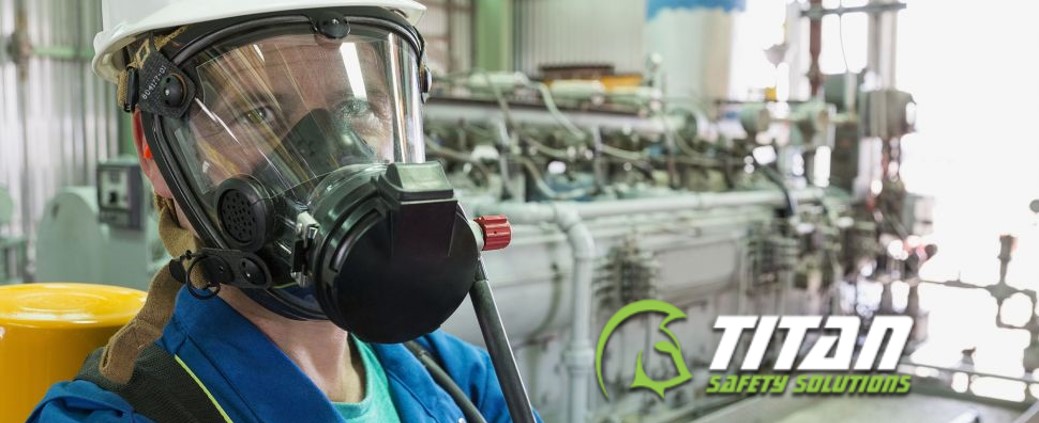
You may think respirators are a pretty straight forward piece of safety equipment, but the truth is they are just the opposite. Respirators require a great deal of understanding ranging from the contaminant from which you wish to protect yourself to the environment in which you are using the respirator. These variables can make the selection and use of the respirator somewhat complicated. For these reasons, we have put together a list of common respirator myths.
protective

Myth #1

Facial hair does not affect the fit or seal of a respirator.

Fact:

Facial hair, such as a beard or mustache, can affect your respirator’s ability to protect you. Anything that comes between your face and the respirator’s seal or obstructs the exhalation valve can allow contaminated air to leak into the respirator; thus by-passing the filters and leaving you unprotected.

Myth #2:

Employees using respirators voluntarily will not require the company to establish a respiratory protection program.

Fact:

Certain parts of OSHA’s respiratory protection program will need to be employed depending on the typre of respirator being worn. If the employee is voluntarily using an N95 respirator, the employer must present the employee with a copy of OSHA’s appendix D or the state equivalent. The employee, in this case, is responsible for selecting the appropriate respirator, keeping track of the respirator and keeping it clean. If the employee is voluntarily using a filtering face piece such as a half mask respirator with dual cartridges, in addition to the employee receiving a copy of appendix D or the state equivalent, the employer must also make sure the employee is medically able to wear the respirator.

Myth #3:

I know it is time to change the cartridge on my respirator when I begin to taste or smell the chemical.

Fact:

According to OSHA 29 CFR 1910.134, a respirator change schedule needs to be established. You cannot rely on your olfactory senses because taste and smell are different for everyone. If you have been working with the same chemical for extended amounts of time, you could become desensitized to the chemical.

Myth #4:

I can use a half mask respirator and indirect vent goggles when working with formaldehyde.

Fact:

According to OSHA 29 CFR 1910.1048 employers must equip their employees with an air-purifying, full-face respirator with a canister or cartridge approved for protection against formaldehyde. Employers may substitute an air-purifying, half-mask respirator for an air-purifying, full-face piece respirator when they equip the half-mask respirator with a cartridge approved for protection against formaldehyde and provide the affected employee with effective gas-proof goggles.

For additional information on personal protective equipment (including respirators), please visit us at www.titansafetysolutions.net or call us at 713-489-7530.

industrialsafty

Safety: It’s Not Just For On The Job

SummerSafety

Summer Outdoor Safety Tips

Spending time outside is a basic tenet of summer. With the 4th of July just around the corner and the beautiful summer days underway, increased outdoor activity brings a whole host of fun, and a few avoidable hazards. Whether you’re camping with the family, hiking solo or exploring nature with friends, or just hanging outside in the back yard, take the proper safety precautions to ensure that you have a fun and worry-free summer. Follow these tips to keep your sunny days safe and memorable.

Avoid a Sunburn

Cases of sunburn in the United States have been increasing over recent years and can lead to Skin Cancer. During the summer months you should always be mindful of your sun exposure. Plan activities for morning or afternoon/evening times when harmful rays are weaker. Choose a sunscreen with an SPF of at least 15 and protection against UVB and UVA sunlight. Protect your eyes with UVB/UVA sunglasses and always wear a hat. Even on cloudy days you can get burned without your skin even feeling hot. Stay hydrated, and remember that alcohol can dehydrate you.

Prevent Dehydration and Heatstroke

Increased outdoor activity levels and summer heat can quickly dehydrate your body. Keep water available and bring twice as much as you think you’ll need. Symptoms of dehydration include headaches, dizziness and lightheadedness and dry mouth. In extreme heat staying hydrated may not be enough and if your body is unable to keep your internal temperature regulated you can develop heat cramps, heat exhaustion or even heat stroke. Heat stroke is diagnosed by an increased internal and external body temperature and a lack of sweating. If someone you know develops heat stroke, get them into a cool place and bring their temperature down with cool cloths and even ice packs. Severe cases of heat stroke may require a trip to the emergency room for IV fluids. Prevent heatstroke by limiting your exposure to high temperature. The elderly and people with chronic conditions are much more susceptible to heat related problems and should limit their exposure to extreme heat.

Build a Safe Campfire

Closing out an eventful day with s’mores around the campfire can be a memorable rite of passage, but only if you do so safely. Avoid starting a fire under dry conditions or in prohibited areas. Keep your campfire away from brush and create a fire pit that’s at least a foot deep and surrounded by rocks to help maintain control.

Preparing and Serving Food

Food left out in the heat during summer months can grow a dangerous level of bacteria. According to the Texas State Department of Health, bacteria like staphylococcus (staph) and Bacillus cereus can produce toxins not destroyed by high cooking temperatures. Foods with dairy, eggs or mayonnaise are of particular concern, because they can go bad in a matter of hours. Keep these items in your cooler until you are ready to serve then return them immediately when people are finished. When in doubt, throw it out.

grilltech

Safe Grilling Techniques

Store raw meat in a separate cooler to prevent cross contamination. For best results when grilling, let the grill heat up for 20 minutes before cooking. Allow meat to thaw fully before grilling. Bring a meat thermometer to test the meat temperature. Grills can brown the outside of the meat quickly, leaving the inside under cooked. Minimum internal temperatures should be 145 degrees for steak, 160 degrees for ground beef, 150 degrees for pork, 165 degrees for chicken and 140 degrees for hot dogs. Use separate utensils and dishes for the cooked meat and refrigerate any leftovers within one hour.

wildlife

Don’t Feed the Wildlife

Watching critters eat human food can be cute, but it’s dangerous — for both you and the animal. Feeding wildlife not only upsets their natural diet, but it can also encourage them to become more aggressive and grow accustomed to human interaction.

Keep Mosquitos Away

These pests are more than annoying; they can spread disease as well. Though mosquitoes are most active at dawn and dusk, they can bite at any time, so make sure you and your loved ones use effective repellents and apply them routinely.

Follow these tips for the safe use of insect repellent and avoiding stings and bites.

  • Pick a repellent that contains DEET.
  • Avoid repellent/sunscreen combination sprays. Use two different sprays.
  • Apply repellent to your hands and then spread carefully on your face.
  • Assist children and avoid getting any on their hands or anywhere near their eyes or mouth.
  • Avoid heavy perfumes and scents.
  • Guard sugary drinks and food that will attract insects.
Take Selfies Carefully

Posting a photo of yourself in front of the Grand Canyon may be tempting, but it’s not worth risking your life. In the first eight months of 2016, 73 people died from selfie accidents — nearly double that of 2015. The most common cause is falling, so be thoughtful about where and when you take photos.

Pack a Safety Kit

If you plan on going for a long hike, especially in the backcountry, pack a bag with essentials you would need if you were to get lost. Include food, water, rain protection and warm accessories.

Planning ahead and making smart decisions can help you safely make the most of your outdoor experiences this summer. The same is true on the jobsite and when your life is on the line remember.

industrialsafty

The Four Pillars Of A Supportive Safety Culture

AnOunceOfPrevention

Today there is a widely-held belief that a company’s safety culture has a critical influence on the safety outcomes in that setting. Safety leaders frequently tell stakeholders that safety culture is a prerequisite for supporting safe operating practices and outcomes. The organizations with supportive safety cultures tend to take a long-term perspective when managing both safety and operations and recognize safety improvement as an economic and competitive opportunity, not as a cost or threat. One way of changing an organization’s safety culture is by influencing the safety values that workers see in practice. Here are the four most important values that go into creating a supportive safety culture.

COMMITMENT

Safety is the first priority at all times, not just when it’s convenient. Safety is an integral part of operations and a core value for employees.

You can see this value in action when:
  • Safety and operating outcomes are good
  • Sufficient resources go toward creating and maintaining a safe working environment
  • Safety is non-negotiable
  • Safety is a consideration when making business decisions

DISCIPLINE

All work is disciplined and guided by formal processes. Workers and managers don’t cut corners or bend the rules to save time.

You can see this value in action when:
  • Standard operating procedures are followed carefully
  • Safety is part of being productive
  • Safety is interwoven or integrated into operating procedural steps, not in a separate manual that sits on the shelf until things going wrong

PARTICIPATION

Workers are engaged as active stakeholders, rather than passive participants in a management system. Their engagement allows safety management to become a competitive advantage for the organization.

You can see this value in action when:
  • Employee engagement in decision-making is valued
  • People have autonomy to do their job
  • Management demonstrates trust and transparency to workers
  • Workers help manage their own work and safety
FourPillars

PREVENTION

Safety and operations are both managed in a systematic and preventative way with a goal of zero variance.

You can see this value in action when:
  • Workers strive to achieve zero variance in processes used to create the product or service
  • Leadership strives to achieve zero accidents, which is analogous to having zero variance in safety outcomes

Titan Safety Solutions is committed to assisting you in assuring a safe environment for your organization, team, and employees. Contact us for all of your safety equipment needs. Titan Safety Solutions – small enough to provide you the dedicated service you deserve, yet large enough to handle any job.

www.titansafetysolututions.net 713-489-7530

industrialsafty

The Up’s And Down’s Of Forklifts

ForkliftsUpsDowns

Forklift Safety Tips

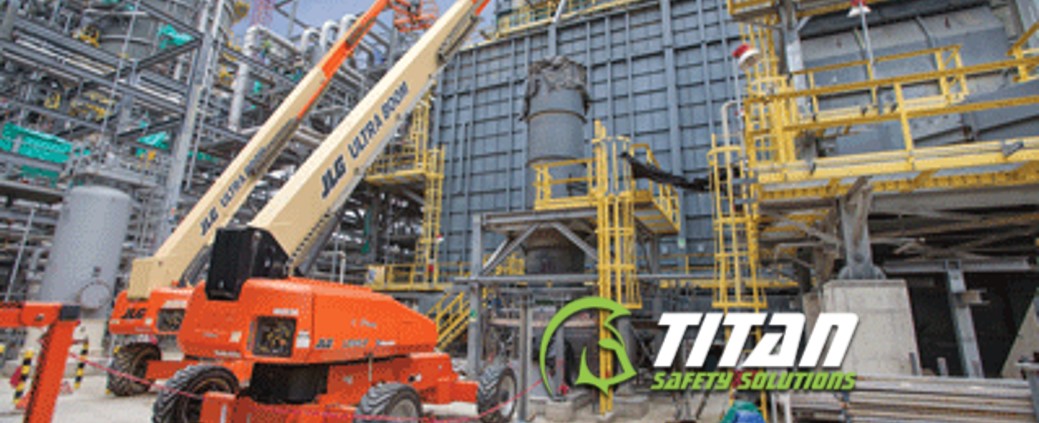
Heavy equipment such as forklifts inherently create safety risks whether on a construction site or inside a refinery plant. Each piece of equipment used can be completely different from each other and obtaining specific training on that equipment can minimize safety concerns and conditions. OSHA, along with other governmental agencies, regulates forklift use. Simple things like the proper use of forklift marking signs and forklift marking tape to designate forklift crossings can save lives. Titan Safety Solutions can provide you with, on-site, expert safety training for your equipment when you need it.

Here are 15 tips that can help you stay safe when operating a fork lift.

1) Study the Manual

Study the manual of the forklift before operating. You want to understand it inside and out. Hitting the wrong switch at the wrong moment could lead to disaster.

2) Inspect Your Ride

Regularly inspect the lift top to bottom to look for anything that is out of the ordinary. This includes any loose or broken wires, loose or broken hoses, fluids on the floor, strange noises, smells, or smoke, plus anything else unusual.

3) Warn Forklift Drivers, Pedestrians, and Vehicles about Each Other

Use forklift marking signs and forklift marking tape to designate pedestrian and forklift lanes and areas, if appropriate. Put up warning signs such as “Forklift Crossing” to alert pedestrians and other vehicles that a forklift may cross there.

4) Go Slow

Moving slowly will give you time to react without causing a catastrophe. This is one work task where you do not want to move quickly.

5) Keep Your Blades Low

Whenever possible, keep the blades low, even when there is no load. If an accident occurs involving a person when the blades are low, the person’s legs will most likely be injured. If the blades are high, you could impale someone’s chest or abdomen and kill them.

6) Carry Your Load Low

In general, if the load is too high, it will wobble more, which is more risky to the packages, the driver’s safety, and the safety of those nearby. In fact, a load too high and too heavy could flip a forklift. Keep the load low and not tilted back too far.

7) Angle Up

Once you have the load on the forklift, angle the blades so they are tilted higher in the front and lower in the back.This allows gravity to hold the items to the back of the blades and prevents the pallet from sliding off the front. Also, if a box or the load itself slips on the pallet, then it will slide back onto the forklift where the forklift can support the box. Obviously if you tilt back too far, the load can crash on top of the forklift which is not good. Also, if the load is too high and too heavy, it could flip the forklift if tilted back too far.

angleup

8) Watch for Overhangs

Door frames or anything overhanging should always be in the front of your mind. A forklift has its own height, the height of its boxes, and the height of its lift, all of which could be too high and catch in a door frame or other overhanging item.

9) If You Can’t See, Drive Backwards

If the load is too high and you cannot see where you are going, avoid the temptation to raise the load up above your line of site. Any time you have the load high, you risk losing items or the forklift tilting over. The correct thing to do if your line of site is blocked is to go in reverse with the load low. Obviously, at the same time keep an eye to the sides and front, so you don’t hit anything with the pallet or blades. If the item is stronger and heavier than your forklift, you could be sent flipping over backwards.

10) Set Your E-Brake

Setting the emergency brake is also critical whenever stopping. If you fail to do this, thousands of pounds could start rolling unexpectedly, causing many dangers.

11) Tighten Your Forklift Load

Before you lift a load, wrap all the objects tightly together. This prevents the boxes and other items from falling off of the forklift. A single load condensed with straps or plastic wrap is much easier to control than 27 boxes each falling in a different direction.

12) Keep People Off Your Load and Forks

Never use a forklift to raise a person. The forks are not designed for this and could kill someone if you accidentally moved the forks or the forklift itself.

ForkliftTraining

13) Don’t Squish Anyone – Keep People Out from Under Your Load

It is extraordinarily important for you to make sure no one is under your load when you set it down. You could kill them or break their neck if you lower your load or the forks onto them.

14) Catastrophic Failures – Don’t Kill Yourself or Others with a Forklift

Overturns, collisions, and other serious failures can lead to fatalities. Using caution, following the rules of the road, and driving the load in the proper position can prevent serious injuries and even death.

15) Forklifts and Drugs or Alcohol Don’t Mix

Running a forklift is dangerous, so extreme alertness is necessary. It can be difficult enough to operate a forklift when sober. Any use of any alcohol or drugs should be avoided before operating a forklift. This includes alcohol and illegal drugs, but also any opioid pain killers including Oxycontin, antihistamines that cause drowsiness, sedatives, Adderall, Ritalin, or any other legal drug that alters your judgment. Even muscle relaxants that effect you physically and not mentally should be avoided as they can affect your reflex time.

For more information on equipment safety training such as; forklifts, man lifts, scaffolding, confined space, hazwop, and many more, contact Titan Safety Solutions.

industrialsafty